 by
by In this classic series of HSBC ads, the differences between cultural norms across the globe are highlighted. Whilst this is played off as humorous in these ads, the cultural differences from one society to another is a source of interest to sociologists.
The HSBC “World’s Local Bank” adverts have become classics in the world of global marketing. Their strength lies in their simplicity: each short scene captures the humour and confusion that arise when cultural norms and values collide. By highlighting everyday misunderstandings—whether it’s a gesture, a greeting, or a social expectation—the adverts remind us that what seems “normal” in one part of the world can feel unusual or even baffling in another.
In a globalised world, where people and businesses interact across borders more than ever, these ads cleverly showcase the importance of cultural awareness. They highlight that respecting and adapting to local customs is not just polite, but essential for communication, trust, and success.
Below is a student activity, that requires students to watch the videos and answer specific questions on what they have seen. It is useful to show to GCSE and A level Sociology students as it:
Illustrates Culture in Action
- Shows how shared values (e.g., respect for elders or time sensitivity) can manifest in misunderstandings when crossed with unfamiliar cultural norms.
Bridges Abstract Concepts and Real Examples
- Brings to life terms like norms, values, and cultural relativism, making them relatable through everyday workplace situations.
Introduces Glocalization
- Demonstrates how multinational companies adapt marketing to local contexts, respecting cultural norms to communicate effectively. IvyPanda
Encourages Critical Discussion
- The ads are short, engaging, and comedic—ideal stimuli for group debate or reflective writing about culture and identity.
Examples of Cultural Norms Shown in the Ads
These adverts shine a light on practices that may feel unfamiliar or surprising in a Western context, such as:
- Removing shoes before entering a home or office – a sign of respect in many Asian cultures.
- Bowing as a greeting – rather than shaking hands, common in Japan and other parts of East Asia.
- Giving or receiving gifts with both hands – a norm of politeness and respect.
- Allowing silence in conversation – valued in some cultures, while often seen as awkward in the West.
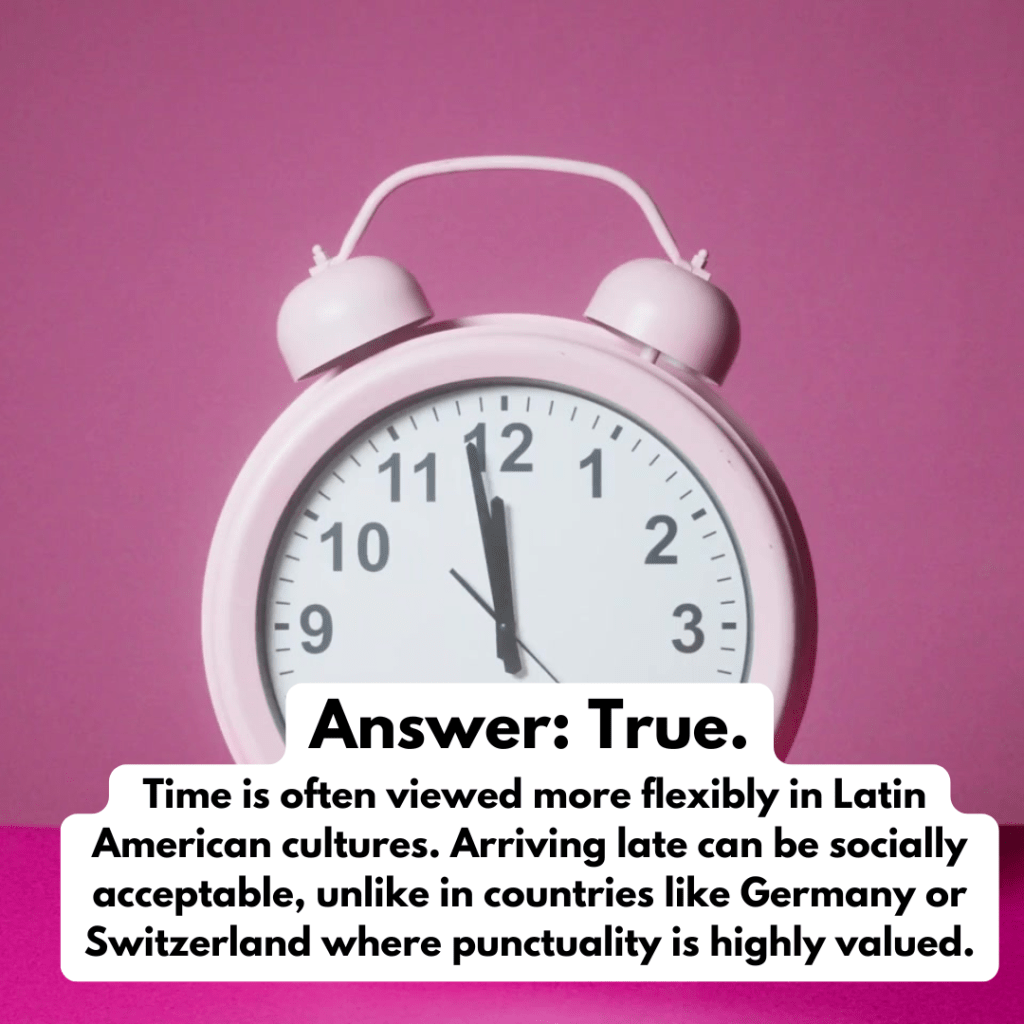
- Strict ideas of punctuality or flexibility with time – differences between cultures that prioritise precision versus relationships.
- Avoiding direct eye contact – considered respectful in some societies, but misinterpreted as evasive in others.
- Use of gestures – where a symbol like a thumbs-up may carry very different meanings across cultures.
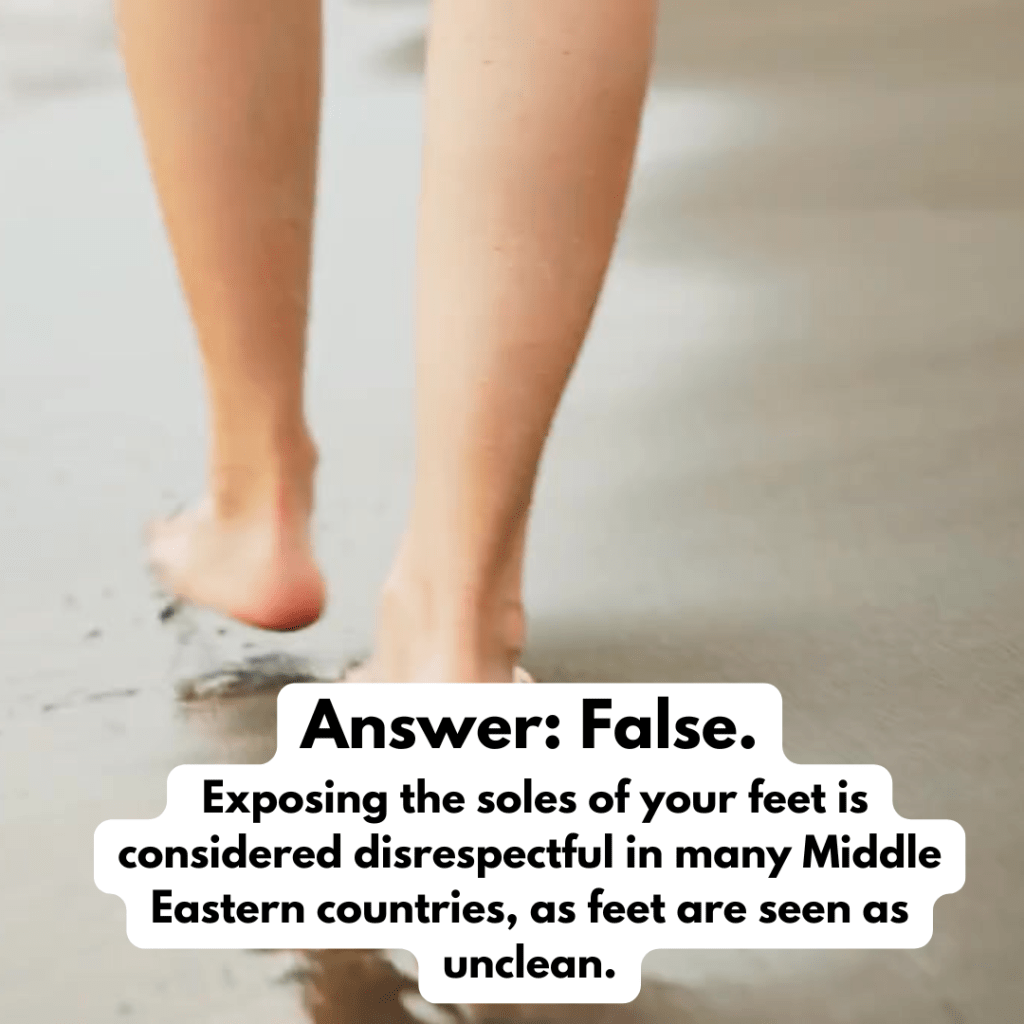
True or False Quiz
The following quiz can be used as an introduction to social nomrs is different cultures. It can be downloaded as a Powerpoint for class use, or played through the gallery.









 The Sociology Guy
Leave a comment