 by
by A creative way to get students to summarise the key sociological theories is to create magazine covers of the sociological theories. This involves getting pictures of key sociological figures from a range of perspectives, and getting students to create magazine covers using key terms and concepts associated with that approach. Examples of the main sociological perspectives I mocked up using adobe express are below – but you could use other design software, or simply cut and paste for a lesson that gets students to consolidate their knowledge and get to mess around with pens and glue (which we all know they secretly love!).
Whilst this activity requires little input from teachers, other than to have covered the material in the first place, it allows students to demonstrate their understanding of different sociological views on the representations of different genders in the media (BONS: Without you having to mark the same Chat GTP generated essays again and again.)
Teacher Instructions: “Magazine Covers of Sociological Theories”
1. Introduction (5–10 minutes)
- Begin with a quick recap of sociological theories on gender and media representations, e.g.:
- Liberal feminists: Women stereotyped as passive/housewives → improving but still unequal.
- Radical feminists: Media reproduces patriarchy (e.g. women objectified in advertising).
- Marxist feminists: Media representations linked to capitalism and consumerism.
- Postmodernists: Fragmented identities; women and men presented in more diverse ways.
- Bring in key research studies to ground the discussion:
- Mulvey (1975) – Male gaze in film.
- Ferguson (1983) – “Cult of femininity” in women’s magazines.
- McRobbie (1997/2008) – Changing role of women in media, but with contradictions.
- Gauntlett (2008) – Media now offers more diverse role models.
- Connell (1995) – Hegemonic masculinity still dominates, though multiple masculinities exist.
(You don’t need to cover them all, but highlight at least two contrasting ones so students have inspiration for their covers.)
2. Explain the Activity (5 minutes)
- Tell students they will be designing magazine covers to summarise and showcase the different sociological perspectives on gender and the media.
- Each magazine cover should include:
- A title (linked to the perspective, e.g. “Patriarchy Today”, “The Media Mirror”).
- A central figure (e.g. a sociologist like Laura Mulvey, Angela McRobbie, Stuart Hall).
- Key terms/concepts (e.g. male gaze, hegemonic masculinity, postmodern diversity, symbolic annihilation).
- Headlines or “article teasers” that summarise the theory’s view in an engaging way.
- e.g. “Are women still trapped in the cult of femininity?”
- “The media: a tool for patriarchy or a site of resistance?”
3. Materials & Methods (5 minutes)
- Provide options depending on classroom resources:
- Digital: Use Canva, Adobe Express, or similar free tools.
- Paper-based: Print off images of key theorists and media clippings; give scissors, glue, coloured pens.
4. Main Task (25–30 minutes)
- Split students into small groups (3–4 works best). Assign or let them choose a theoretical perspective (e.g. Feminism, Functionalism, Marxism, Postmodernism).
- Ask them to brainstorm:
- Who are the key thinkers?
- What are the key concepts?
- What media examples or case studies support this view? (Encourage them to think of both classic studies and contemporary examples, e.g. Love Island, Marvel films, Instagram influencers).
- Groups then design their magazine cover, making sure to:
- Visually represent the theory.
- Use at least three key terms.
- Include at least one reference to research.
5. Sharing & Reflection (10–15 minutes)
- Each group presents their magazine cover to the class.
- Encourage students to explain the imagery, headlines, and concepts they chose.
- As a class, discuss:
- How do different perspectives overlap or contradict each other?
- Are media representations of gender changing, or do traditional patterns still dominate?
- Which perspective do students think best explains today’s media?
6. Extension / Homework
- Students could write a short comparative paragraph: “Compare how two different sociological perspectives explain representations of gender in the media.”
- Or, create a double-page spread to go with their magazine cover, written as if it were an actual media article.
In the best Blue Peter fashion (one for the Gen X and Millennial Teachers here) here are one’s I’ve prepared earlier.

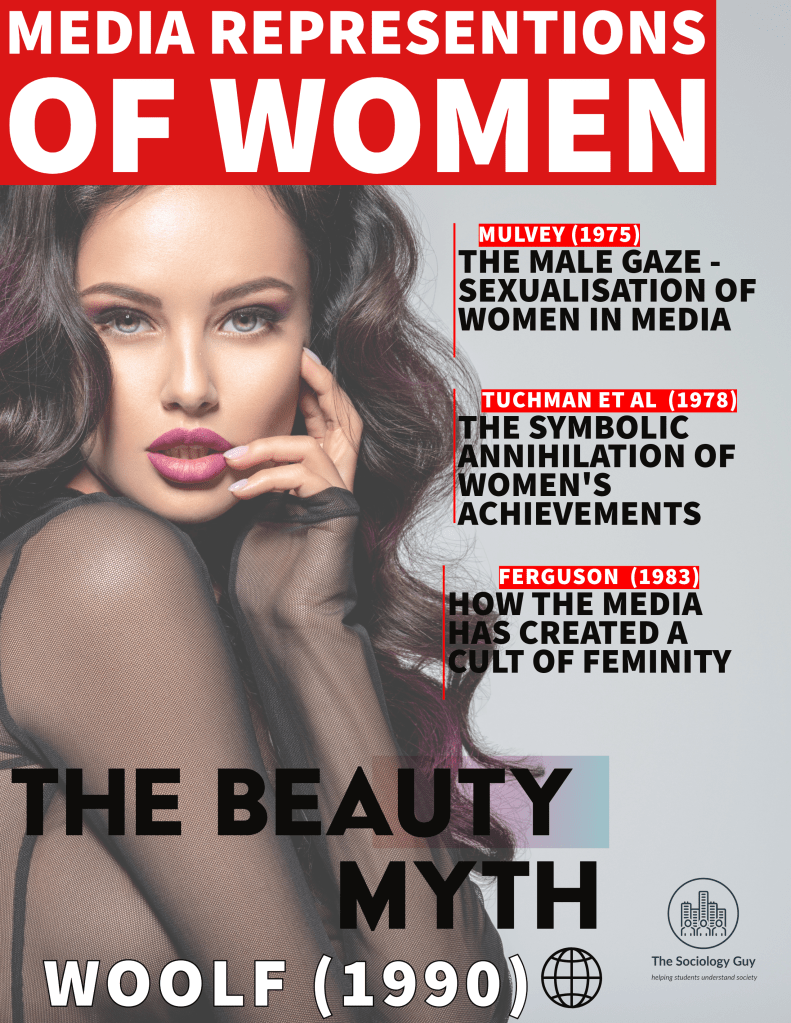
Your can even extend this activity to revising general sociological theory. I would probably reserve this until you are running out of ideas towards the summer or during the long haul until exam leave begins by using similar ideas in the gallery below.


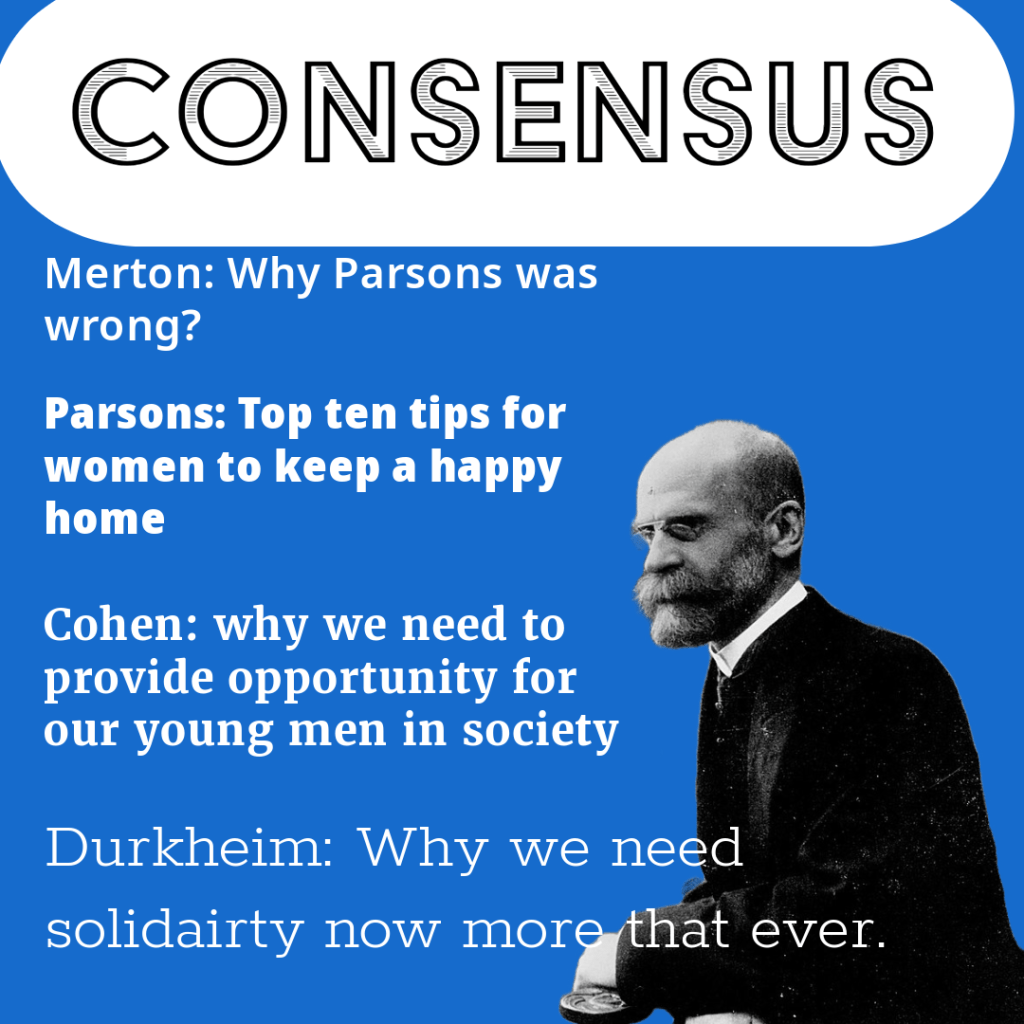
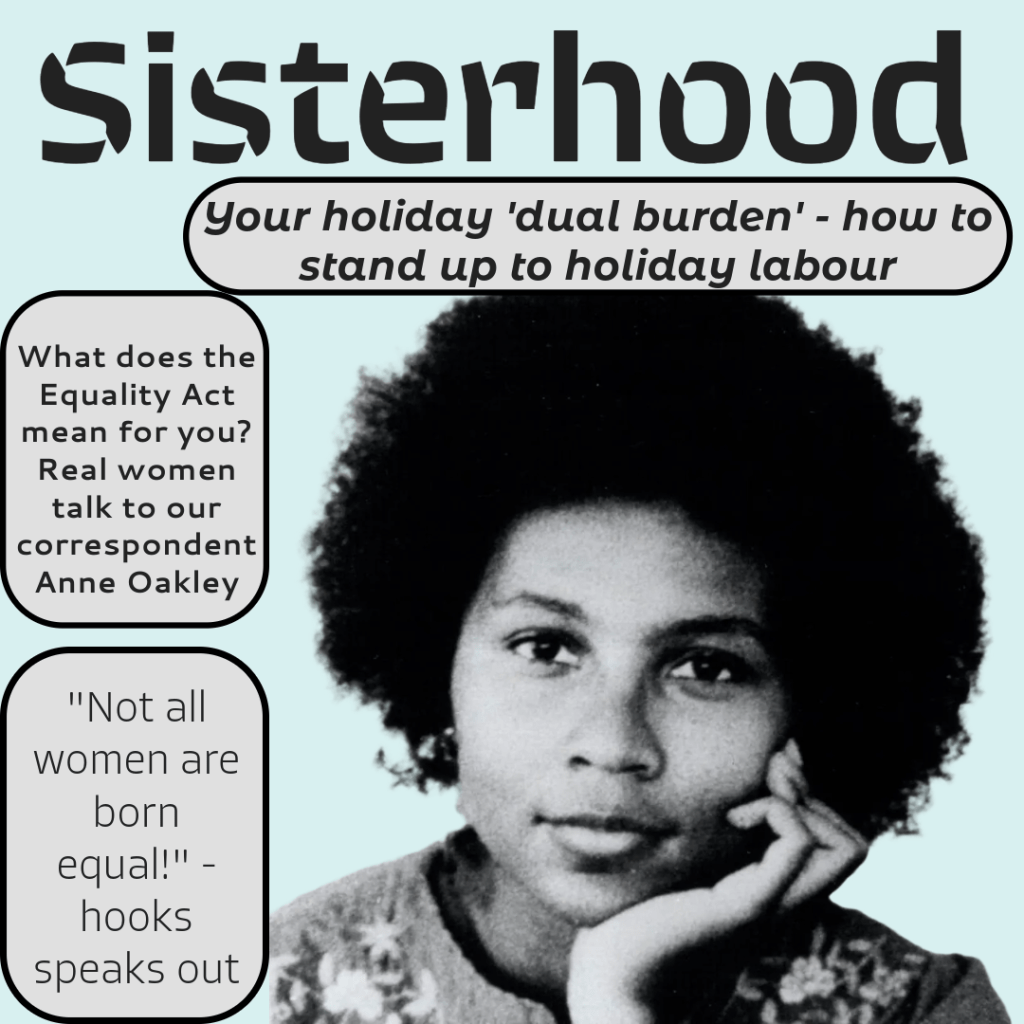
I would have done a postmodern or New right version, but POMO would reject the ideas of magazines in place of blogs and the New Right…I just couldn’t bring myself to do it.
 The Sociology Guy
Leave a comment