 by
by When we talk about media, we’re referring to the ways information is created, shared, and consumed. Sociologists often compare old (traditional) media such as newspapers, radio and TV with new media, which includes digital platforms like social media, streaming services and online news. The shift from old to new media has changed not only how we access information, but also who has the power to produce it.
Old Media tends to be:
- One-way communication. A small number of producers (like TV companies) send information to a large audience.
- Slow to change. News had scheduled broadcasts, newspapers were printed daily.
- Controlled by large institutions. Ownership and production were concentrated and professionalised.
New Media is often:
- Interactive and participatory. Audiences can comment, remix, share and respond instantly.
- Fast and constantly updated. Information spreads in real time.
- More decentralised. Anyone with a phone can create and share content.
Sociologists such as Jenkins describe this as a move toward participatory culture, where audiences take an active role in producing media. Meanwhile, Neophiliacs argue that new media empowers people and increases choice, while Cultural pessimists worry about misinformation, echo chambers and the influence of powerful tech companies.
Activities
To help you explore these ideas, you’ll be working with two tasks:
- Card Sort Activity
You’ll sort statements into “Old Media” and “New Media” categories. This will help you see the key features clearly and discuss how media has changed over time. - Worksheet
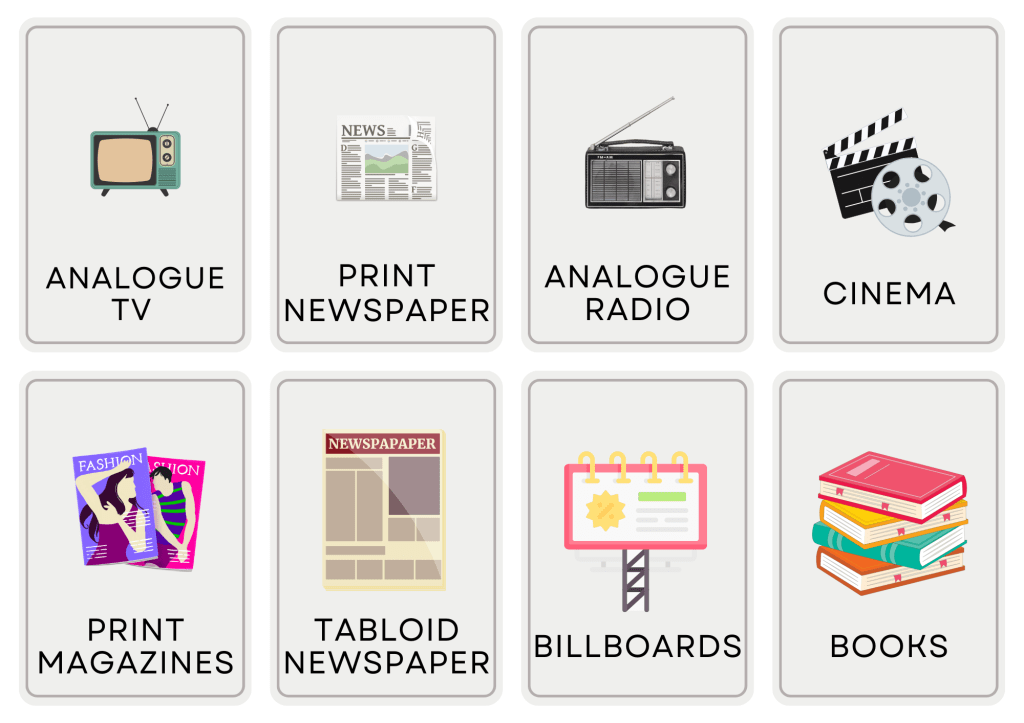
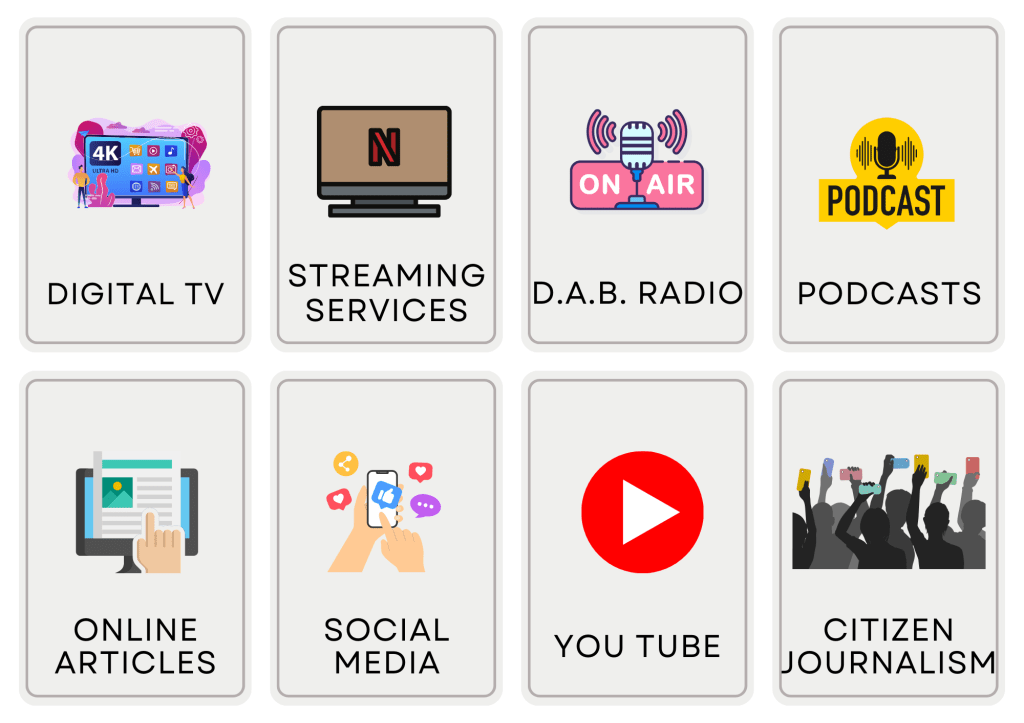
This worksheet gives you specific examples of media sources and students should look to categorise these into old or new media. If a similar activity to the card sort, but with more specific examples.
These activities will help you build confident, well-supported explanations you can use in exam answers. Get ready to think about how the media you use every day shapes your view of the world.
 The Sociology Guy
Leave a comment